






Feast or Famine: Cash Flow Management for Seasonal Businesses
Running a seasonal business can feel like riding a roller coaster: months of abundant work followed by quiet stretches when the phone stops ringing. For Kimle Nailer, owner of Detroit-based Nail-Rite Construction Company, that cyclical rhythm is just part of the job, but it took time, trial and error, and a mindset shift to manage the financial ups and downs.
“Construction is a feast-or-famine industry,” Nailer says. “If there aren’t projects, there isn’t income. That’s just the nature of it.”
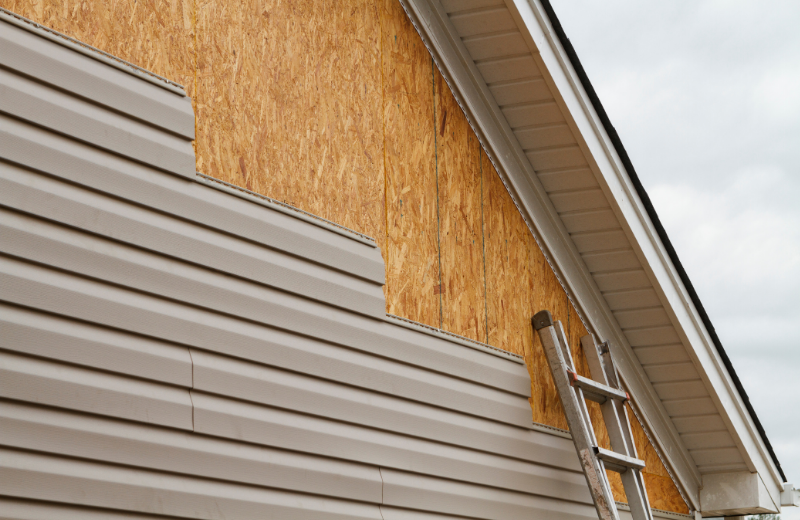
Nail-Rite specializes in interior and exterior construction projects, serving both residential and commercial clients. The company’s busiest months span from March through October, when good weather makes siding installation, exterior work, and larger commercial builds feasible. But when winter hits, demand slows — especially for residential projects — and her revenue dips accordingly.
Nailer has learned how to plan around those seasonal fluctuations. Here’s her advice for other entrepreneurs navigating cash flow challenges in seasonal industries.
Know Your Baseline Cost
One of Nailer’s most important lessons came early: don’t price your projects based only on direct costs. “I underestimated the true cost of doing business,” she says. “It took me a while to realize that whether I’m working or not, I’ve got about $30,000 in fixed annual expenses.”
Lease payments, insurance, software, and equipment don’t go away during slow months. That means each job, especially during the peak season, has to contribute not just to project-specific costs, but to covering the business’s overall operational needs.
Nailer now builds her fixed annual costs into every project bid, allocating a portion of those expenses across all jobs to ensure the company stays afloat year-round.
Load Up When You Can — But Don’t Overspend
During the busy months, Nail-Rite runs multiple crews simultaneously and pursues larger contracts, often through city repair programs or commercial bids. “We try to heavily populate the season,” she explains. “If we can get bundles of five houses through a program, we run through those in the spring and summer.”
But that surge of revenue doesn’t mean a spending spree. “I don’t touch the money,” Nailer says. “That income is allocated. I know exactly how much I need to cover our baseline costs, and we make sure we’ve built in a margin.”
Instead of chasing constant growth, she focuses on smart, seasonal profitability — a strategy that lets her avoid burnout and operate sustainably.
Project Six Months Ahead
To stay ready, Nailer begins planning her project pipeline at least six months in advance. Whether she’s responding to residential leads or bidding on commercial jobs, she knows timing is everything.
“Sometimes people call and say they’re ready — but they’re not,” she says. “It might be 90 days before they’re actually ready to sign. I overpopulate my calendar, then communicate honestly about our timeline and waitlist.”
By doing this, she avoids scrambling during slow periods and ensures a steady workflow during peak season.
Use Credit Strategically
When it comes to using loans or lines of credit to smooth out cash flow, Nailer is cautious. “Financing shouldn’t be just for seasonality,” she advises. “It should be part of your operations strategy — and you have to know how to manage money.”
She typically uses short-term financing to mobilize new projects — covering materials or initial costs — but prioritizes paying it back before the project ends. “Some people tie up their credit and can’t move on to the next job,” she says. “I make sure I never go past the first or second draw.”
Advice for Other Seasonal Entrepreneurs
Nailer’s top takeaway? Know your numbers — especially your annual cost of doing business — and plan accordingly. “The dry spells are going to come. You have to prepare,” she says. “If you’re only thinking about individual job profit, you’ll always be behind.”
And if possible, she recommends developing a second revenue stream. For her, that’s real estate investing, which gives her personal financial stability outside the business. “You need something that can carry you if it’s a rough year,” she says.


